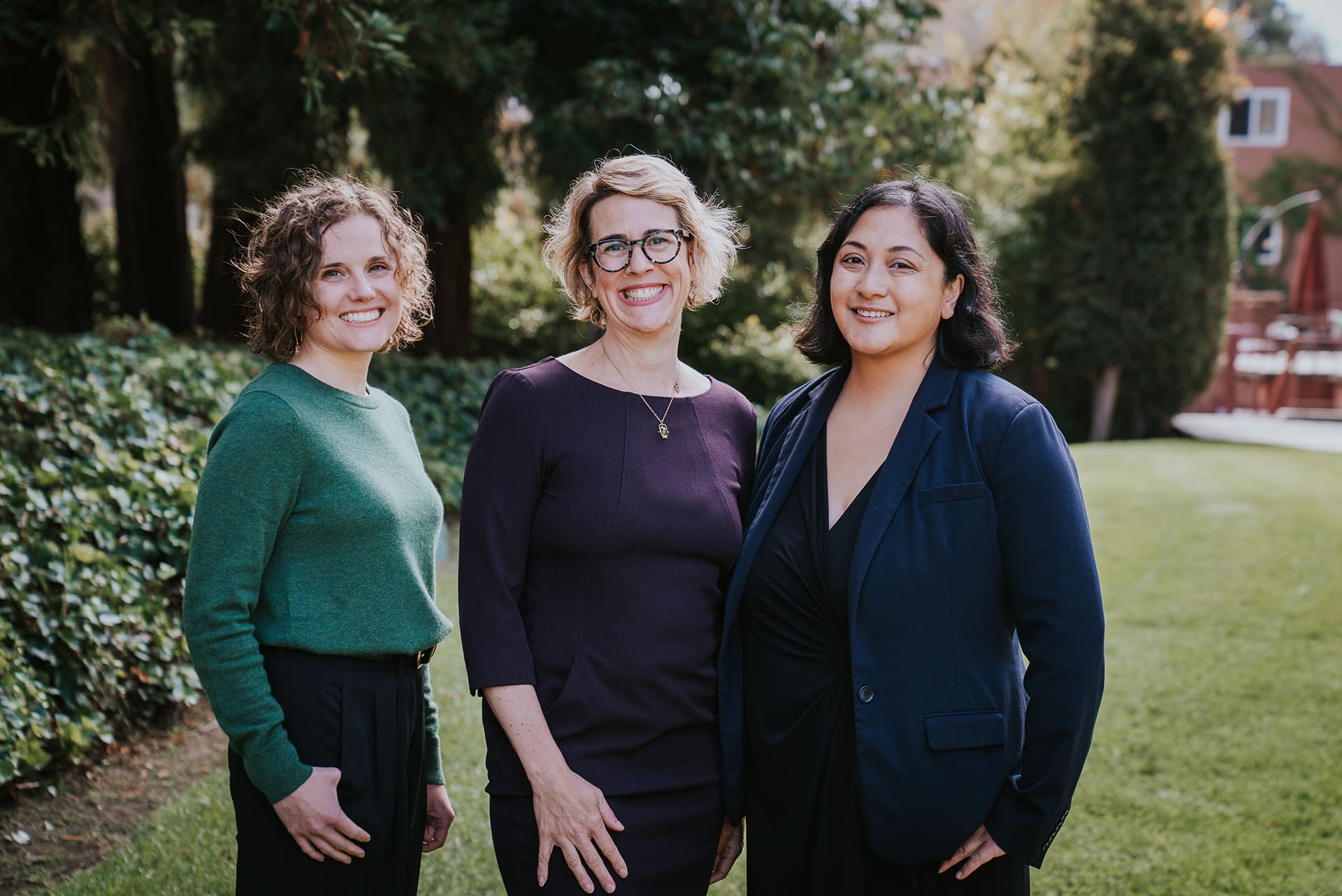
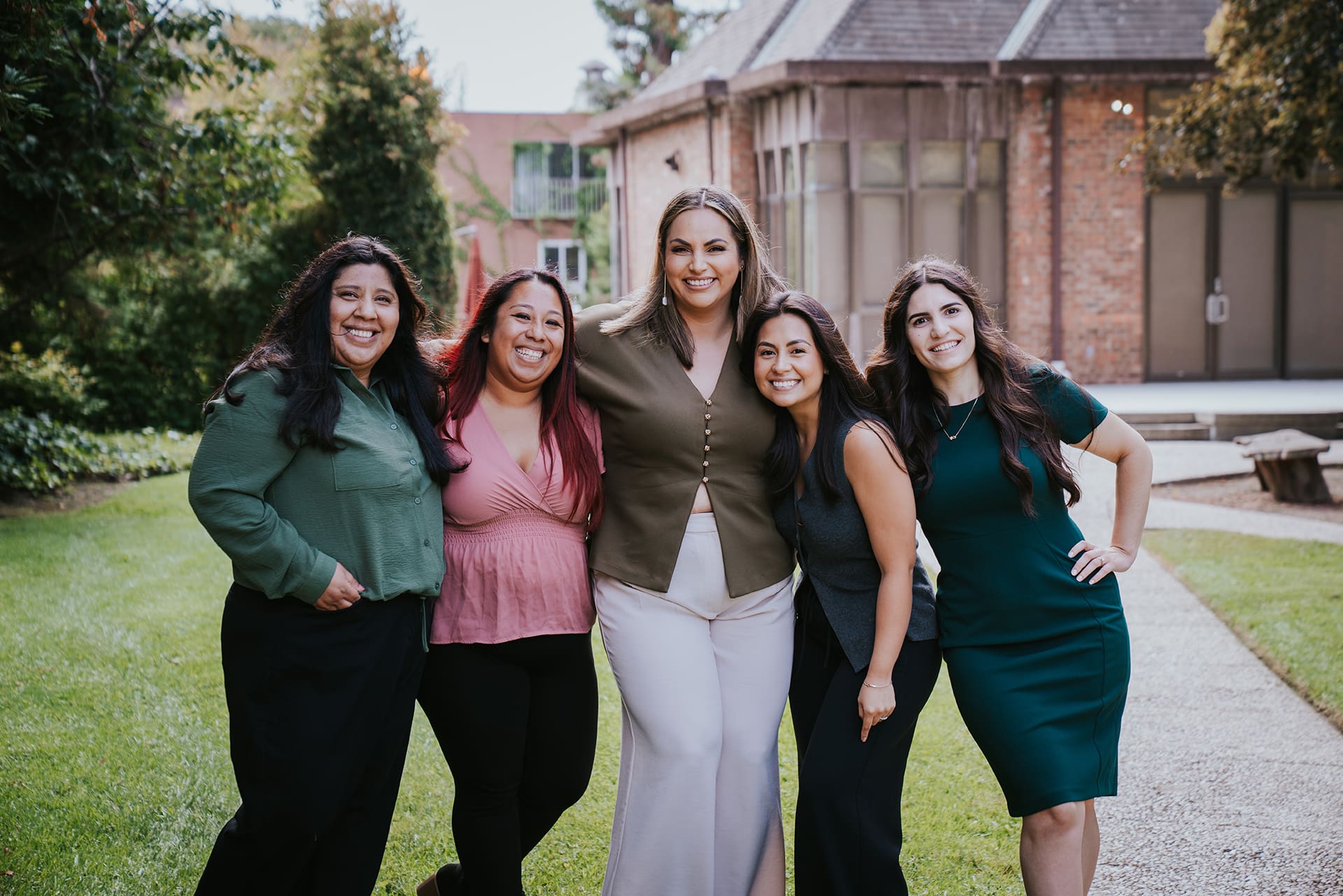
You’re in the right place if you are thinking about reaching out for help, want to understand your options, or just want to know more about working with us. Here is a brief overview of what you can expect when you begin your journey with Stouffer Law.
The Emotional Weight of Waiting: Why Family Immigration Tests Us All
The hardest part of a family immigration case is rarely the paperwork. It is the waiting. Couples talk about the long waiting times. Adult children waiting on a parent’s petition talk about it. Spouses talk about it most of all, the ones separated by an ocean, counting months on a calendar that keeps getting longer.
Waiting sounds passive. It is not. It is a quiet, daily kind of work. Refreshing a case status page. Watching the mailbox. Holding your breath when you hear about yet another major immigration policy change, wondering if it is going to affect you or your loved ones. Trying to plan a wedding, a birth, a funeral around a date no one can give you.
If you are in the middle of a family immigration case right now, you probably already know this. What you may not know is how much company you have.
The numbers behind the wait
By the end of fiscal year 2025, U.S. Citizenship and Immigration Services (USCIS) was sitting on more than 11.6 million pending cases. This is the largest backlog the agency has carried in over a decade, and more than triple where it stood ten years ago. Behind every one of those file numbers is a person. A family. Someone whose plans are paused.
Unfortunately, it is not getting faster. The Niskanen Center has reported that USCIS completed 22 percent fewer cases in the final quarter of FY2025 than in the same quarter the year before. The agency’s “frontlog”—applications received but not yet opened—more than tripled in three months. Cases that used to take weeks to be entered into the system are now taking months just to be acknowledged.
Waiting times for family immigration cases have felt this for years. The American Immigration Council has reported that the median processing time for an immediate-relative family-based petition was less than five months a decade ago, and has more than doubled since!
Consular processing has its own version of this picture. According to the American Immigration Lawyers Association (AILA), the State Department in early 2026 paused immigrant visa issuance for nationals of dozens of countries based on a public-charge presumption—leaving spouses, parents, and children waiting on appointments that were already overdue. K-1 fiancé visa issuances at U.S. consulates fell 64 percent in September 2025 compared to the year before, according to Niskanen Center reporting.
These are not just numbers. They are missed holidays, postponed weddings, parents missing their own children’s childhoods, grandchildren born without a grandparent in the room.
What the waiting does
Clients describe the same things, in different words.
A wife in California who has not seen her husband in two years. They video-call each other every morning. But the years are stacking up, and she finds herself wondering if she will recognize how he laughs in person.
A son who filed an I-130—the family petition— for his mother in El Salvador. She is sixty-eight. He does the math when he cannot sleep.
A young couple who wants to start a family but does not want to schedule a pregnancy around a green-card interview that may or may not happen this calendar year.
The waiting is not just an inconvenience. It is its own form of grief: a slow, low, steady grief about time that cannot be returned to anyone.
It sometimes also makes people second-guess. Did I file the right form? Did I write the right answer? Should I have hired someone different? Should I travel? Should I tell my employer? Most clients we meet have been carrying these questions alone for a very long time.
Why delay does not mean you did anything wrong
One of the hardest things to internalize about family immigration is that delay rarely says anything at all about the strength of your circumstances. The system is overloaded, under-resourced, and operating under dramatically shifting policies that change without notice. A petition that would have moved in eight months three years ago can now sit for two years through no fault of yours, your sponsor’s, or your attorney’s.
That does not make the waiting easier. But it should make one thing clearer: if your family immigration case feels heavier than anyone warned you it would, you are not the exception. You are inside the system as it actually is right now.
What a good attorney can (and cannot) do
We are always honest about this part. No immigration attorney can make USCIS go faster on a routine timeline. Anyone who promises that should make you nervous.
What an attorney can do is something different, and it matters. We can give you the realistic timeline in months, based on an analysis of the shifting family immigration policy landscape, your category and service center.
We can flag issues before they become emergencies: a green card that needs renewing while a petition is pending, a travel plan that could disrupt continuous residence, a piece of mail that should not be ignored.
We get to know your full picture—your family, your work, the trip you took home two years ago, the questions you are afraid to ask—so that when something does change, we are not starting from zero.
And when waiting crosses from frustrating into genuinely unreasonable—when years pass and the law clearly says a decision should already have been made—there are tools. These tools include mandamus actions in federal court; naturalization hearings under section 1447(b); and habeas petitions when liberty is at stake. We launched a federal district court litigation practice this year for exactly these situations, for cases where waiting has stopped being part of the process and started being the problem itself.
The courage to keep going
It takes courage to start a family immigration case. You are betting time, money, and hope on a system that does not always reward you in any reasonable timeframe. It takes more courage to keep waiting once you have started—to hold steady when the news cycle is loud, when other families’ cases seem to move faster than yours, when the milestones you imagined for this year roll into next year.
We see that courage. We meet it with our own, the determination to keep watching ahead on your behalf, to push when there is somewhere to push, and to be the steady, honest presence beside you when there is not.
You are not waiting alone.
If your family immigration case has been pending longer than it should, or if you are trying to plan around timelines no one will give you a straight answer on, talk to an attorney who understands what you are carrying. Our team at Stouffer Law walks with families through every step of the immigration journey, with honesty about what we can do, clarity about timelines, and the steady presence that family-based work deserves.
Accreditations





Contact us today.
"*" indicates required fields