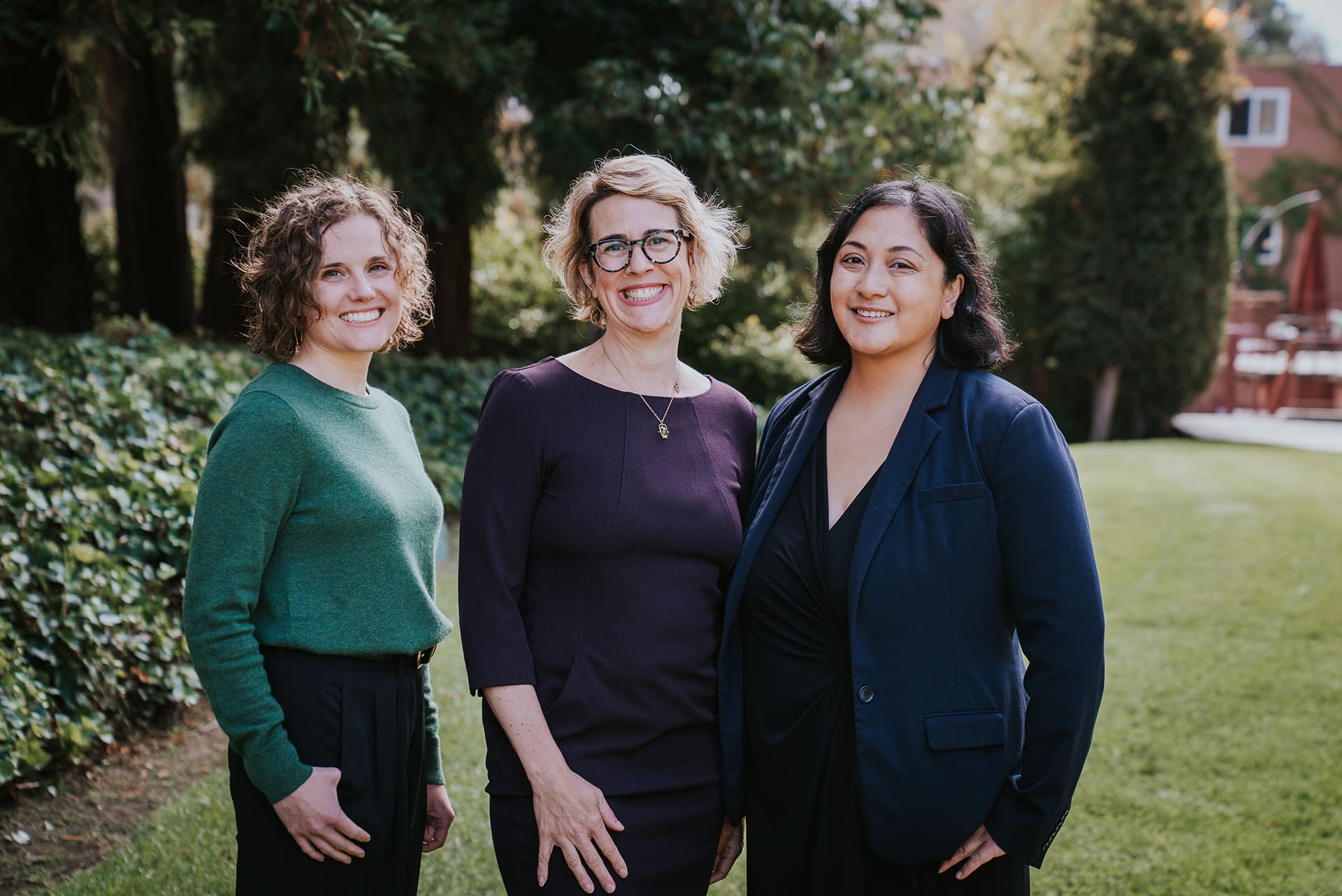
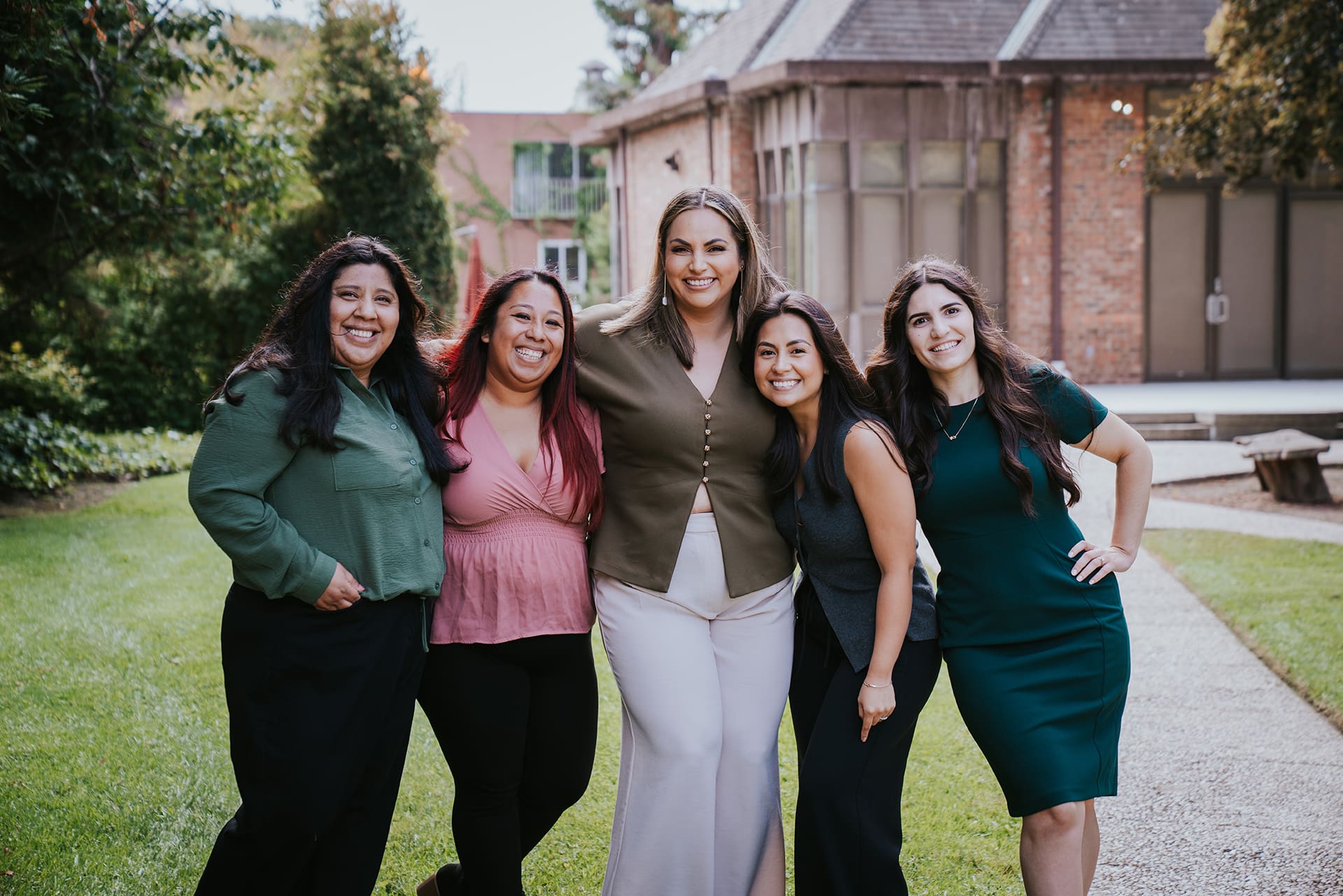
You’re in the right place if you are thinking about reaching out for help, want to understand your options, or just want to know more about working with us. Here is a brief overview of what you can expect when you begin your journey with Stouffer Law.
Your Naturalization Has Been Pending for Two Years. Now What?
When your naturalization is delayed and you are not sure what to do, the hardest part is often the silence. You cannot fully plan. You cannot vote. You may be putting off travel, a job change, or a move because you do not know where you stand. So let us walk through what is actually happening, why it happens, and the concrete options in front of you, including one that a lot of people have never heard of.
The delays are real, and they are documented
A long naturalization is often a feature of a system that has wrestled with backlogs for decades.
Back in 2018, reporting from ABC News described an 88 percent jump in the citizenship application backlog since 2015, with close to three-quarters of a million green card holders waiting on their applications. A few years later, the National Immigration Forum found more than 800,000 naturalization applications still pending at the end of fiscal year 2021, roughly a 60 percent increase over 2016. Whatever the exact number is on any given day, the pattern is clear: more people apply than the agency decides, and the line gets longer.
Here is the part worth holding onto. That same research shows USCIS has cleared enormous backlogs before. In the late 1990s the backlog topped two million. By 2007 it climbed past a million again. Both times, once the agency committed staff and resources, it brought the numbers back down within a year or two. Delays are real, yes, but they are not permanent, and your application is not stuck forever just because it has been quiet for a while.
There is one more thing worth knowing, because it tends to ease the worst of the worry. A long wait is usually a sign of agency capacity, not a sign that something is wrong with your specific application. The Forum’s research notes that naturalization denial rates have held fairly steady for years, in the neighborhood of ten to eleven percent. In other words, most applications that wait a long time are not waiting because they are weak. They are waiting because the line is long. If you met the requirements and your interview went fine, the silence is far more likely about the system than about you.
First figure out where your application is actually stuck
“Delayed” can mean two very different things, and the difference decides what you can do about it.
You are waiting for your interview. You filed your N-400, but USCIS has not scheduled your interview yet, or scheduled it far out. Your application is sitting in the queue, waiting for its turn.
You have had your interview, but there is still no decision. You showed up, answered the questions, and likely passed the tests, and then the application went silent.
That second situation has a specific legal remedy attached to it. The first one follows a different path. So before anything else, find the date of your interview. USCIS calls it your “examination,” and it is the hinge that everything turns on.
The 120-day rule most people have never heard of
There is a provision in federal law (8 U.S.C. § 1447(b)) written for exactly the moment when you have had an interview and there is still no decision. In plain terms: if USCIS has not made a decision on your application within 120 days of your interview, you can ask a federal district court to step in.
That is about four months after your examination. Once that window closes without a decision, the law lets you bring the matter to a judge in federal district court. And the court has real authority here. According to a practice advisory from the American Immigration Council, the judge can either decide your naturalization application directly or send it back to USCIS with firm instructions, sometimes with a deadline for the agency to act. Either way, your file stops drifting and someone with the power to move it forward will take action.
A few practical points make this real rather than theoretical. The action is filed in the federal district court where you live, not in some distant venue, and not in the immigration court system you may already be familiar with. This is the regular federal courthouse. Once it is filed, the matter is in front of a judge, and USCIS can no longer simply leave your file on a shelf.
If you had your interview well over a year ago and have heard nothing since, you are almost certainly past that 120-day mark. That matters more than it might sound. It means a door is open, one that does not require you to keep waiting for USCIS to decide it is your turn.
What if you are stuck before the interview?
If your application is delayed at an earlier stage, say you filed long ago and USCIS still has not scheduled your interview, the 120-day rule does not apply yet, because that clock only starts at the interview. But you are not out of options.
In that situation, two other tools come into play: a “mandamus” action or a claim under the Administrative Procedure Act. The names sound intimidating, but the idea is simple. You ask a federal judge to order USCIS to do its job and act on your application. The main difference from the 120-day route is the ceiling on relief. Here, the court can order the agency to make a decision, but it generally will not make the decision in the agency’s place. Even so, an order from a federal judge has a way of moving a file that has sat untouched for years.
So what should you actually do?
A couple of small habits keep your options clean while you decide on a path. Keep your mailing address current with USCIS, since a missed notice can stall things further and be deemed your fault. Respond promptly and completely to anything the agency sends, and keep a copy of every receipt and letter. None of this speeds the line up on its own, but it makes sure nothing avoidable is holding your application back when you do decide to act.
From there, start by building a clear picture of your own timeline. Pull together a few things:
- Your N-400 receipt notice and receipt number.
- The date of your interview, if you have had one.Any letters from USCIS asking for more evidence, along with your responses.
- Your current status online, with the date you last checked it.
That timeline tells an experienced attorney almost everything they need to know about which path fits your situation: the 120-day route, a mandamus action, or sometimes just a well-placed inquiry that gets things moving without going to court at all.
This is the kind of work our federal district court practice was built for. When USCIS stalls and the usual channels have gone quiet, we can ask a federal judge to step in, and we walk with you through every part of it, in plain language, so you always know what is happening and why. There is no prize for waiting longer in silence. If you are already past the 120-day mark, the path to an answer is open today, and the sooner your timeline is reviewed, the sooner you will know which option fits.
A fair word about cost
People often assume that going to federal court is out of reach. It is worth knowing that in some delayed-naturalization matters, the law allows attorney’s fees to be recovered from the government when you prevail and the government cannot show its delay was justified. That is not the outcome in every situation, and we will always be straight with you about what to expect in yours. But it is one more reason not to assume the courthouse door is closed to you.
You have waited long enough to deserve an answer
If your naturalization has been pending and you are ready to understand exactly where you stand, let us talk it through. A tailored conversation is usually all it takes to see which path forward fits.
| Book a delayed-case consultation
If your citizenship application has been sitting without a decision, we can look at your timeline together and tell you honestly what your options are. Schedule your consultation here: https://stoufferlaw.com/contact/ |
Together, every step, on the path to your future.
Juntos, en cada paso, construyendo tu futuro.
Disclaimer: This article is general information, not legal advice for your specific situation, and naturalization rules can change. A short conversation is usually all it takes to know where you stand.
Accreditations




Contact us today.
"*" indicates required fields