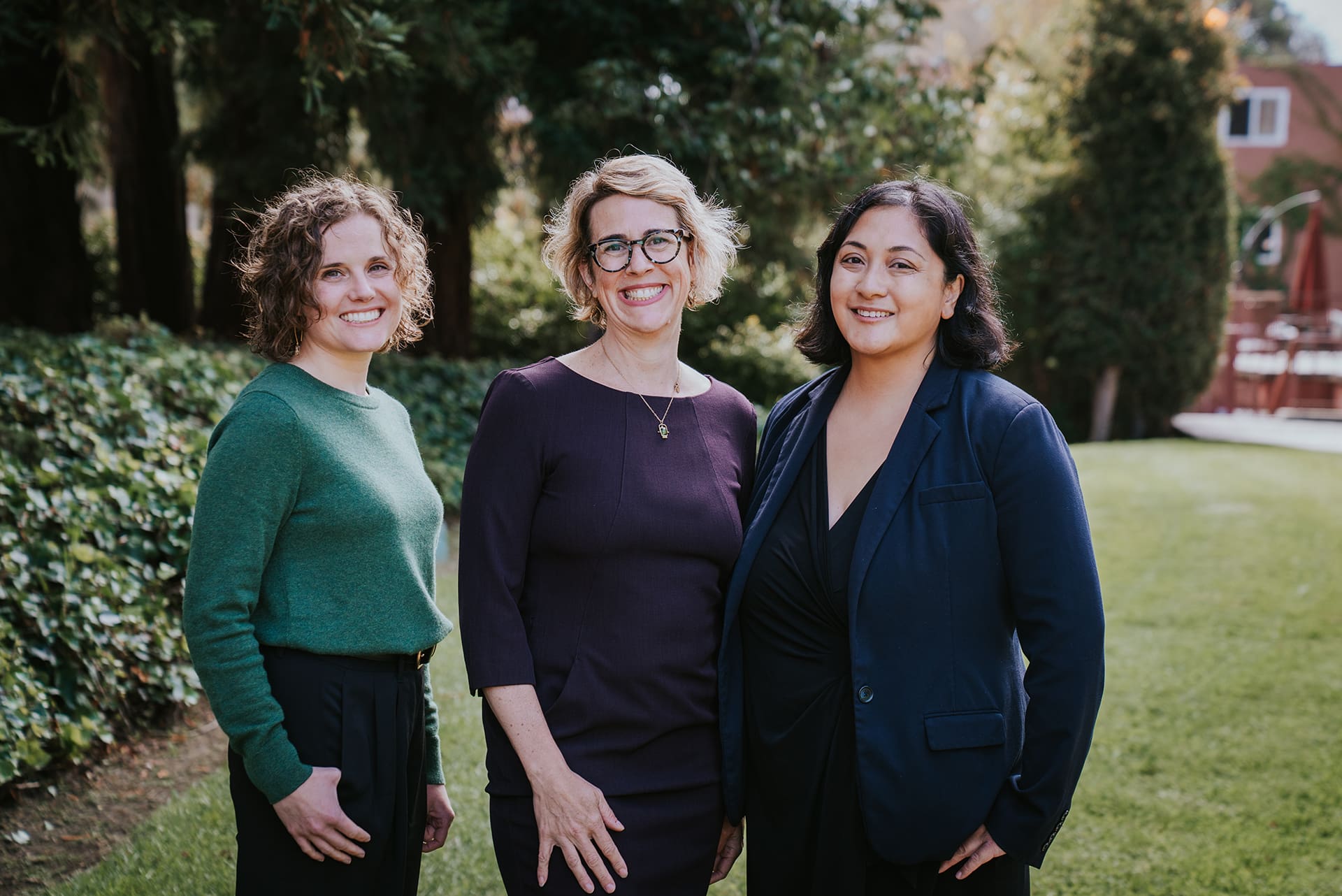
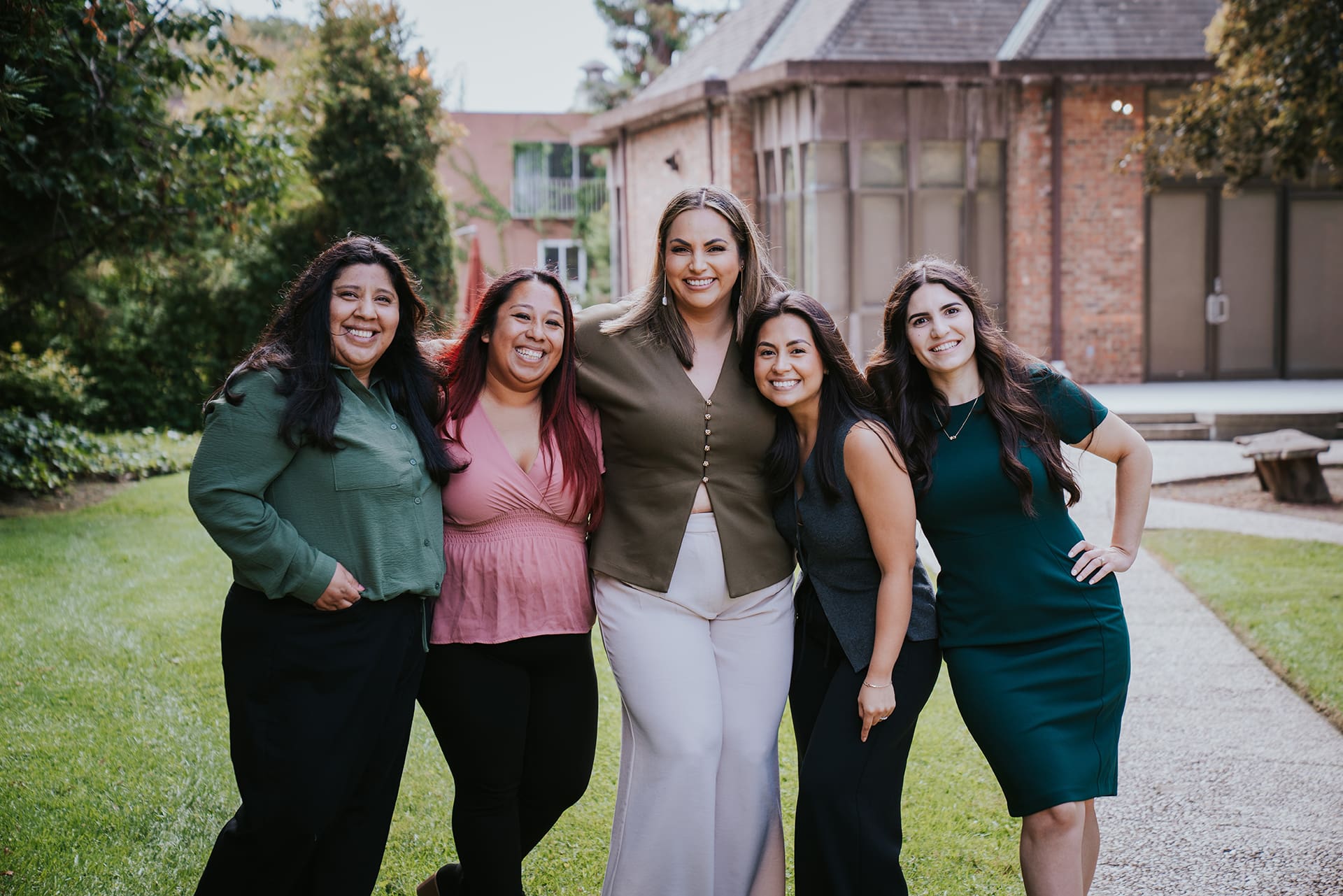
You’re in the right place if you are thinking about reaching out for help, want to understand your options, or just want to know more about working with us. Here is a brief overview of what you can expect when you begin your journey with Stouffer Law.
Thanksgiving & Mixed-Status Families: Building Tradition Across Borders
Mixed-status is the term for a household whose members hold different immigration situations: a U.S. citizen child, a green card holder parent, a spouse with a pending application, a grandparent here on a visitor visa, someone with no status at all. It is common. It is not an unusual arrangement and it is not a diagnosis.
What it means in practice is that the same event lands differently on different people at the same table. A holiday is a coordination problem before it is anything else, and in a mixed-status family that coordination runs through the law whether or not anyone says so out loud.
This post is about that reality, and about what is worth doing with it in November.
The traditions are already there
There is a version of this post that says mixed-status families struggle to build traditions. That is not what we see. What we see is that the traditions are highly engineered. The video call propped against a centerpiece at the right angle so that someone abroad is at the table. The celebration moved to Saturday, because Thursday was never going to work around the shift. The second Thanksgiving, held three weeks later in another country, with the same recipes. Money sent so the meal happens in two places at once. A cousin who has become, over the years, the designated photographer of a holiday half the family has never physically attended.
None of that is a lesser tradition. It is a tradition built around a constraint. The question worth asking is what the constraint actually is.
Which walls are real
Families adapt to legal barriers with impressive speed, and then stop examining them. A rule someone heard in 2014 becomes the reason a trip has not been taken since. An answer given about a different situation (by a cousin, by an office that did not ask enough questions) becomes the family’s settled understanding of what is possible.
Some of those walls are real. Certain histories and certain prior filings close doors, and they stay closed in defined circumstances or for defined periods. When that is the situation, we say so plainly. A family that knows a barrier is solid can stop spending energy on the wrong plan.
But a fair number of the walls families live behind were never tested. The person who gave the answer did not have the whole picture: the exact date somebody entered, the earlier petition nobody mentions any more, a child’s citizenship, a document that turns out to matter. The detail that changes a family’s options is almost never the one on the form.
Sorting the real walls from the assumed ones is worthwhile.
What the holiday produces
The end of November and December generate more January consultations than any other stretch of the year, and the reason is pretty mundane. Everybody is in one room.
Three useful things come out of that, and they are worth using on purpose.
Documents surface. Someone’s mother has the entry stamp, the old passport, the marriage certificate from another country, the envelope she has kept since the nineties. These are the items that take months to reconstruct later. If they are in the house this month, photograph them.
So does bad advice. Every family has a relative who knows someone whose cousin did it a particular way. They mean well. But immigration turns on specifics that do not transfer between families, and copying someone else’s path because it worked for them is one of the more expensive mistakes we are asked to undo.
Travel questions get asked out loud. Usually as: can we all go next year? That question has a real answer, and it depends on status, on any pending application, and on time already spent outside the country. It is answerable in advance. It is much harder to repair after a ticket is booked, which is why we wrote about traveling with a pending application earlier this month.
One person’s status is not only their own
For families where somebody is eligible to naturalize and has not started, this is the part worth sitting with.
Citizenship changes what a person can do for other people. The list of relatives a U.S. citizen can petition for is longer than the list available to a green card holder, and some categories are open only to citizens. It also changes how secure that person’s own position is, including around long trips abroad, the kind taken to care for a parent who is ill, which is exactly the circumstance that turns out later to have mattered.
We will not tell you how long any of this takes, and we will not tell you what any agency is going to decide. We will tell you that sequence matters, that starting the right thing first is often the difference between a plan and a delay, and that this is knowable in advance rather than discovered afterward.
What the law can and cannot do
It cannot make a holiday feel whole. No filing does that. What it can do is narrower. It can turn a temporary arrangement into a permanent one. It can replace “we think we’re probably fine” with a documented answer. It can make a family’s presence here portable, so that leaving and returning is a decision rather than a risk. Over a few years, it can change who is legally able to be in the room.
That is not everything. But for a family that has spent a decade building across two countries, it is a great deal.
If there is a question your family has been carrying (about a relative you want to bring, about a status that never got finished, about whether next year’s table could look different) it is worth putting into words with someone who can tell you where you actually stand.
It takes courage to take the first step. Most people find that the first conversation is smaller than the years of wondering that came before it.
Reconnect your family legally
Bring the question your family has been carrying — about a relative you want to bring here, a status that never got finished, or a trip somebody is unsure about. We will tell you plainly which parts of your circumstances the law can change and which it cannot. Conversations in English or Spanish, whichever you would rather.
Together, every step, on the path to your future.
Juntos, en cada paso, construyendo tu futuro.
Disclaimer: This article is general information, not legal advice for your specific situation, and naturalization rules can change. A short conversation is usually all it takes to know where you stand.
Accreditations



Contact us today.
"*" indicates required fields